

Do small businesses have to offer benefits? The short answer is: no, not unless they have 50 or more full-time employees, which triggers certain requirements under the Affordable Care Act. However, choosing to offer benefits can be a key strategic decision that gives small businesses a significant competitive advantage.
In today’s market, employee benefits are more than just a perk—they’re a vital tool for attracting and retaining top talent. By offering attractive packages that might include health insurance, retirement plans, or flexible work options, small businesses can differentiate themselves and show that they truly value their employees’ well-being and future security.
As a part of a family-owned business since 1992, I, Dalton Tigner, have guided countless entrepreneurs through the intricacies of small business benefits. This experience has shown time and again how crucial it is to make informed decisions about benefits to secure the future of both businesses and their employees. Next, we’ll dig into the specific obligations a small business might face regarding employee benefits and explore creative options to improve your workforce’s satisfaction and productivity.
Do small businesses have to offer benefits word list:
– how can a small business offer benefits
– what benefits should a small business offer
– benefit packages for small business
Do Small Businesses Have to Offer Benefits?
When it comes to do small businesses have to offer benefits, the Affordable Care Act (ACA) sets the stage. If your business has fewer than 50 full-time equivalent (FTE) employees, you’re not legally required to offer health insurance or other benefits. But here’s the twist: offering benefits can still be a game-changer.
Legal Obligations
Under the ACA, businesses with 50 or more FTEs must provide health insurance or face penalties. This means small businesses with fewer than 50 employees are off the hook legally, but many choose to offer benefits anyway. Why? Because it’s about more than just compliance—it’s about creating a workplace where people want to stay.
Employee Retention
Think of benefits as a magnet. They attract talent and keep it there. Offering benefits, even when not required, helps build a loyal team. According to research, most non-elderly Americans get their health coverage through employers . When you offer benefits, you’re not just checking a box; you’re investing in your team’s future.
Consider this: a business that provides health insurance, even when not legally required, can see reduced turnover and higher morale. Employees are more likely to stick around when they feel valued and secure.
In the competitive job market, benefits like health insurance, retirement plans, and flexible work options can set your business apart. They’re not just extras—they’re essentials for attracting and retaining top-tier talent.
In the next section, we’ll explore different types of benefits that small businesses can offer, diving into health insurance, retirement plans, and more to help you craft a package that fits your business needs.
Types of Benefits Small Businesses Can Offer
Small businesses might not be required to offer benefits, but doing so can make a world of difference. Let’s explore some key benefits that can transform your business into a talent magnet.
Health Insurance
Health insurance is often the centerpiece of a benefits package. While small businesses with fewer than 50 employees aren’t required to offer it, many choose to do so. Why? Because it shows you care about your employees’ well-being.
Offering health insurance can be affordable. Programs like the Small Business Health Options Program (SHOP) provide options for small businesses to offer group health insurance and even qualify for tax credits .
Retirement Plans
Retirement plans are a great way to help employees secure their financial futures. Options like 401(k) plans, SEP-IRAs, and SIMPLE IRAs allow employees to save money for retirement with tax advantages. Employers can match contributions, making these plans even more attractive.
- 401(k) Plans: Allow employees to contribute pre-tax income. Employers often match contributions, which is a big draw for talent.
- SEP-IRA: Ideal for smaller businesses with lower administrative costs. Employers make tax-deductible contributions to employees’ retirement accounts.
- SIMPLE IRA: Suitable for businesses with 100 or fewer employees, allowing both employer and employee contributions.
Fringe Benefits
Fringe benefits are those extra perks that make a job offer more enticing. They might not be essential, but they can make employees feel valued.
- Dental and Vision Care: Often not covered by standard health plans, offering these can boost overall employee wellness.
- Flexible Work Schedules: Allowing remote work or flexible hours can improve work-life balance and job satisfaction.
- Wellness Programs: From gym memberships to mental health support, these programs show employees that their well-being is a priority.
Financial Wellness
Financial wellness programs help employees manage their finances better, reducing stress and increasing productivity.
- Employee Stock Options: Offering stock options can align employees’ interests with the company’s success.
- Financial Planning Services: Providing resources or access to financial advisors can help employees plan for their future.
These benefits aren’t just perks—they’re tools that can help you attract and keep the best employees. By offering a mix of health insurance, retirement plans, and fringe benefits, you create a supportive and attractive work environment that stands out in today’s competitive job market.
In the next section, we’ll explore health insurance options for small businesses, including how to steer programs like SHOP and take advantage of tax credits.
Health Insurance Options for Small Businesses
Navigating health insurance options for small businesses might seem daunting, but it doesn’t have to be. Let’s break down some of the key programs and strategies that can help you provide health insurance while keeping costs in check.
SHOP: Small Business Health Options Program
The Small Business Health Options Program (SHOP) is a fantastic starting point for small businesses with 1-50 employees. SHOP allows you to compare different health plans and choose one that fits both your budget and your employees’ needs.
Benefits of SHOP:
– Easy Comparison: Compare multiple plans in one place.
– Tax Credits: Offering insurance through SHOP may qualify you for the Small Business Health Care Tax Credit, covering up to 50% of your premium contributions.
– Flexibility: Choose how much to contribute toward premiums and set a waiting period for coverage.
HRAs: Health Reimbursement Arrangements
Health Reimbursement Arrangements (HRAs) offer flexibility and tax advantages. They let employers reimburse employees for qualifying medical expenses, including insurance premiums, tax-free.
- QSEHRA: The Qualified Small Employer Health Reimbursement Arrangement is ideal for businesses that can’t afford traditional group plans. It allows for tax-free reimbursement of medical costs.
- ICHRA: The Individual Coverage Health Reimbursement Arrangement offers more flexibility, letting employees choose their own insurance plans and receive tax-free reimbursements.
HSAs: Health Savings Accounts
Pairing High Deductible Health Plans (HDHPs) with Health Savings Accounts (HSAs) can be a win-win. Employees save pre-tax money for medical expenses, and unused funds roll over year to year. This combination keeps premiums low while helping employees manage out-of-pocket costs.
Tax Credits and Savings
Taking advantage of tax credits can significantly reduce the cost of providing health insurance.
- Small Business Healthcare Tax Credit: If you have fewer than 25 full-time employees, pay average wages under $56,000, and cover at least 50% of the premium costs, you might qualify for a tax credit of up to 50% of your premium contributions. This can be a game-changer for small businesses looking to offer health benefits .
By understanding these options, you can make informed decisions about offering health insurance. Whether through SHOP, HRAs, or HSAs, there are ways to provide valuable benefits while managing costs.
Next, we’ll dive into financial and fringe benefits that can further improve your benefits package.
Financial and Fringe Benefits
When it comes to attracting and retaining top talent, financial and fringe benefits can make a big difference. They offer more than just monetary value—they show employees that you care about their well-being. Let’s explore some key benefits small businesses can offer.
Pay Raises
Regular pay raises are crucial for keeping employees motivated and reducing turnover. They help workers keep up with the cost of living and feel appreciated for their hard work. According to a study by Capital One, 68% of people worry about not having enough money for retirement. Regular pay raises can ease this anxiety, making employees feel more secure about their financial future.
Employee Stock Options
Offering employee stock options (ESOs) is a great way to align your employees’ interests with your business goals. When employees own a piece of the company, they’re more likely to be invested in its success. This benefit can also help employees build wealth over time. ESOs were once reserved for executives, but now they’re available to a wider pool of employees, even at small publicly traded businesses.
Dental Care
Routine dental care is more than just about keeping a bright smile. It can catch dental issues and even chronic health problems like heart disease early on. Employers can choose from traditional plans where employees can see any dentist who accepts insurance or a preferred provider plan with in-network and out-of-network coverage. Offering dental benefits shows employees you care about their overall health.
Vision Care
Providing vision care is another way to support your employees’ health. Uncorrected eyesight problems can lead to lost productivity at work. A vision plan that includes comprehensive eye exams can help employees maintain healthy eyesight, meaning fewer mistakes and more efficiency at work. Package plans or discount programs make this coverage more affordable.
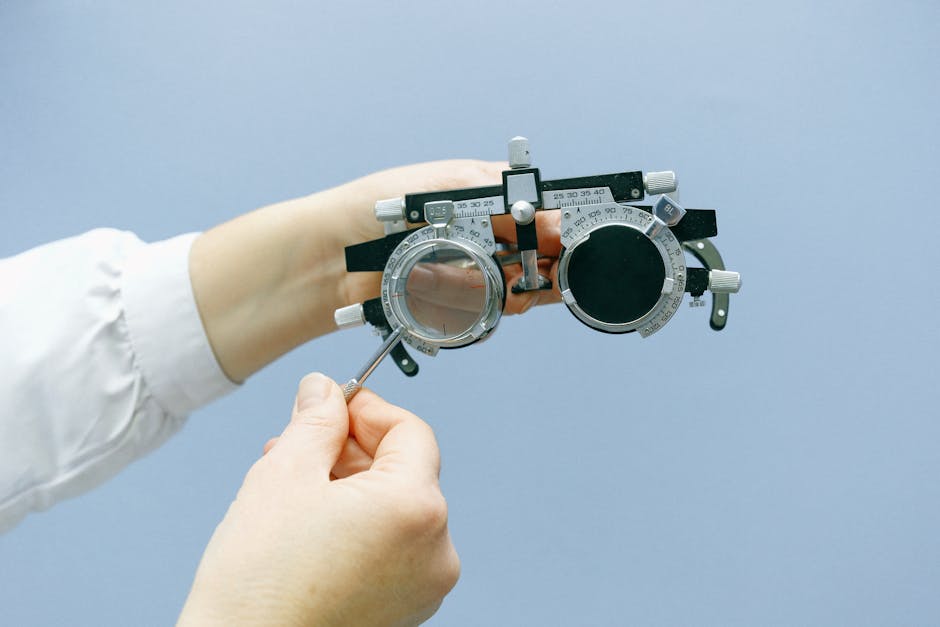
By integrating these financial and fringe benefits into your benefits package, you create a supportive and empowering environment for your employees. This not only helps in retaining talent but also boosts productivity and engagement.
Next, we’ll tackle some frequently asked questions about small business benefits to clear up any lingering doubts.
Frequently Asked Questions about Small Business Benefits
What happens if a business does not offer benefits?
When small businesses choose not to offer benefits, they might face a few challenges. Absenteeism and employee turnover can increase significantly. Without benefits like health insurance or retirement plans, employees may feel less motivated to stay. This can lead to higher turnover rates, which means more time and money spent on recruiting and training new staff.
A report from the Society for Human Resource Management found that companies with strong benefits packages have a 50% lower turnover rate. So, while skipping benefits might save money upfront, it could cost more in the long run due to lost productivity and hiring expenses.
How can small businesses provide benefits?
Providing benefits doesn’t have to break the bank. Small businesses can offer flexible work options and family-friendly policies to make their workplace more attractive. Flexible work schedules, remote work opportunities, and parental leave are just a few examples of policies that can improve work-life balance without significant costs.
Additionally, businesses can explore group insurance plans to reduce costs. By pooling resources, small businesses can negotiate better rates for health insurance and other benefits, making them more affordable.
Are there tax advantages to offering benefits?
Yes, there are tax advantages to offering benefits. Small businesses can take advantage of tax credits and deductions to offset the cost of providing employee benefits. For instance, the Small Business Health Care Tax Credit helps businesses that offer health insurance to their employees by reducing their tax bill.
Moreover, contributions to retirement plans like 401(k)s or SEP-IRAs are often tax-deductible, benefiting both the employer and the employee. These tax incentives not only make it more feasible for small businesses to offer benefits but also improve the overall package, making it more attractive to potential employees.
By understanding these aspects, small businesses can create a benefits package that attracts and retains top talent while managing costs effectively. Next, we’ll dive deeper into the various health insurance options available for small businesses.
Conclusion
Employee benefits play a crucial role in the success of any small business. They are not just perks; they are strategic tools that can help you attract and retain top talent. Offering benefits like health insurance and retirement plans can significantly reduce absenteeism and employee turnover, as shown by the Society for Human Resource Management’s report, which highlights that companies with robust benefits packages have a 50% lower turnover rate.
At Tigner Financial, we understand the importance of securing financial futures, both for your business and your employees. Our expertise in the financial services industry, particularly in whole life insurance, ensures that your investments endow at the right time. This expertise can help you craft a benefits package that not only meets legal obligations but also aligns with your company’s values and goals.
By partnering with us, you can explore a variety of options to offer comprehensive benefits without breaking the bank. From flexible work arrangements to group insurance plans, there are numerous ways to make your workplace more attractive and supportive for your employees.
Moreover, there are significant tax advantages to offering benefits. Tax credits and deductions can offset the costs, making it more feasible for small businesses to provide competitive packages. For example, the Small Business Health Care Tax Credit can reduce your tax bill if you offer health insurance, and contributions to retirement plans like 401(k)s or SEP-IRAs are often tax-deductible.
In today’s competitive job market, a thoughtful benefits package is not just a luxury—it’s a necessity. Employees are looking for employers who see them as whole individuals, with lives and needs outside of work. Offering benefits that recognize and support this can set your small business apart.
For more information on how Tigner Financial can help you build a benefits package that resonates with your team and fits your budget, visit our small business employee benefits page.
Investing in employee benefits is an investment in the future of your small business. With the right approach and support, you can create a workplace where employees feel valued, supported, and motivated to contribute their best work. Together, let’s build a brighter future for your business and your employees.


