

Employee benefits are critical to a thriving workplace, impacting employee satisfaction and talent retention significantly. These benefits go far beyond just a paycheck, providing essential perks like health insurance, retirement plans, and flexible work arrangements. In today’s competitive job market, how you structure your benefits package can make or break your ability to attract and keep top talent.
Here’s why employee benefits matter:
- They boost employee satisfaction by showing that the employer cares about their well-being.
- They are a decisive factor when candidates consider job offers.
- They help retain employees by creating a sense of security, increasing loyalty, and reducing turnover.
I’m Dalton Tigner, an expert in designing effective employee benefits that meet diverse needs. With years of experience in the insurance and employee benefits sector, I excel at crafting solutions that ensure client satisfaction and business growth.
Stay with us as we dig deeper into understanding employee benefits and how they can transform your workplace.
Understanding Employee Benefits
Employee benefits are more than just extra perks—they’re a vital part of an employee’s compensation package. They can be divided into three main categories: indirect compensation, statutory benefits, and discretionary benefits. Let’s break these down.
Indirect Compensation
Indirect compensation refers to the non-monetary rewards employees receive. It’s like the cherry on top of the salary sundae. This includes things like health insurance, retirement plans, and paid time off. These benefits don’t show up in your paycheck, but they certainly add value to your overall compensation.
Why is indirect compensation important?
- Health and Security: Health insurance and retirement plans provide peace of mind, knowing that medical expenses and future savings are covered.
- Work-Life Balance: Paid time off and flexible work arrangements help employees maintain a healthy balance between their personal and professional lives.
Statutory Benefits
Statutory benefits are those that employers are required by law to provide. Think of them as the foundational safety net for employees. In the U.S., these typically include:
- Social Security and Medicare: Both employees and employers contribute to these programs, which support retirement and healthcare needs.
- Workers’ Compensation: This insurance covers medical expenses and lost wages for work-related injuries.
- Unemployment Insurance: Provides financial support to employees who lose their jobs through no fault of their own.
These benefits ensure a basic level of security and support for employees, protecting them from unexpected life events.
Discretionary Benefits
Discretionary benefits are the extras that employers choose to offer, going beyond the legal requirements. These can be a game-changer in attracting and retaining talent. Examples include:
- Wellness Programs: Activities like yoga classes or gym memberships to promote health and well-being.
- Professional Development: Opportunities for skill development and career advancement.
- Flexible Scheduling: Options like remote work or flexible hours to accommodate personal needs.
These benefits help companies stand out in a crowded job market by showing they care about their employees’ overall well-being and growth.
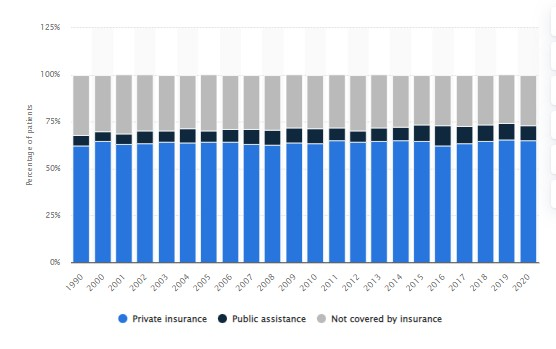
Why do these benefits matter?
- Attraction and Retention: Unique and generous benefits can tip the scale when candidates compare job offers.
- Employee Satisfaction: They improve job satisfaction, which leads to higher productivity and loyalty.
Understanding and strategically offering the right mix of employee benefits can transform your workplace into a hub of satisfied, loyal, and productive employees.
Top Employee Benefits to Consider
When it comes to attracting and retaining top talent, offering the right employee benefits can make all the difference. Here are some of the most valued benefits today:
Health Insurance
Health insurance is often the most sought-after benefit by employees. It provides a safety net against high medical costs, reducing financial stress. According to a study by the Society for Human Resource Management, 90% of employees consider healthcare as extremely or very important. Offering comprehensive health coverage, including dental and vision, can significantly boost job satisfaction and loyalty.
Retirement Plans
Planning for the future is crucial, and retirement plans like 401(k)s or IRAs help employees save for their golden years. Many companies offer matching contributions, enhancing the value of this benefit. These plans not only support long-term financial security but also position the company as a caring employer. A good retirement plan can be a deciding factor for many when choosing where to work.
Paid Time Off (PTO)
PTO allows employees to recharge and maintain a healthy work-life balance. It includes vacation days, sick leave, and personal time. Some innovative companies even offer unlimited PTO, emphasizing trust and the importance of flexibility. This benefit is essential for reducing stress and increasing productivity.
Flexible Work Arrangements
The pandemic has reshaped the way we work, making flexibility a top priority for many employees. Flexible work arrangements, such as remote work and flexible hours, allow employees to balance their professional and personal lives more effectively. This flexibility can lead to higher job satisfaction and is a key factor in attracting talent.
Wellness Programs
Wellness programs are becoming increasingly popular as they focus on improving overall employee well-being. These programs can include gym memberships, health screenings, and wellness challenges. Investing in wellness not only improves employee health but can also reduce healthcare costs for the employer.

Why do these benefits matter?
- Attraction and Retention: Offering a comprehensive benefits package can help attract top talent and reduce turnover.
- Employee Satisfaction: Benefits like health insurance and PTO contribute to a happier, more productive workforce.
- Company Reputation: Companies known for great benefits often have a stronger employer brand, making them more attractive to potential hires.
Incorporating these employee benefits into your compensation package can transform your company into a desirable place to work, fostering a culture of satisfaction and loyalty.
Categories of Employee Benefits
When we talk about employee benefits, it’s not just about the paycheck. It’s about the whole package that makes a workplace attractive and supportive. Let’s break down the main categories of benefits that employees look for:
Insurance
Insurance is a big deal in benefits. It’s like a safety net for employees and their families. Here’s what usually falls under this category:
Health Insurance: This covers medical expenses and is often the most valued benefit. It includes medical, dental, and vision insurance. According to research, 88% of job seekers prioritize health benefits.
Life Insurance: Provides financial security for an employee’s family if something happens to them.
Disability Insurance: Protects employees’ income if they’re unable to work due to illness or injury. Unlike workers’ compensation, this covers non-work-related issues.
Retirement Plans
Planning for the future is crucial, and retirement plans help employees save for their later years. Here are some common options:
401(k) Plans: These are popular and often include employer matching contributions. It’s like free money added to your savings.
Pension Plans: Though less common now, they promise a fixed income after retirement.
Profit-Sharing and Stock Options: These give employees a stake in the company’s success, enhancing their investment in the company’s future.
Additional Compensation
Beyond the regular salary, additional compensation can sweeten the deal:
Bonuses and Commissions: Reward employees for meeting or exceeding goals.
Awards and Gifts: Recognize exceptional work and boost morale.
Profit Sharing: Allows employees to share in the company’s profits, aligning their interests with the company’s success.
Time Off
Everyone needs a break, and time off is a critical component of a benefits package:
Paid Time Off (PTO): Includes vacation days, sick leave, and personal time. Some companies even offer unlimited PTO, promoting a culture of trust and flexibility.
Parental Leave: Supports new parents, allowing time to bond with their child.
Bereavement Leave: Provides time off to grieve and attend to family matters after a loss.
By offering a mix of these employee benefits, companies can create a supportive and engaging work environment. Each category plays a vital role in attracting and retaining top talent, boosting job satisfaction, and fostering loyalty.
Innovative Employee Benefits Trends
In today’s world, employee benefits are evolving beyond traditional offerings. Companies are getting creative to meet the diverse needs of their workforce. Here are some of the most exciting trends in employee benefits:
Remote Work
The shift to remote work has transformed how we think about the workplace. Employees love the flexibility and companies benefit from increased productivity. According to a study by Buffer, a four-day workweek trial led to higher productivity and well-being. This trend is here to stay, with many companies offering permanent remote work options.

Skills Development
Investing in employees’ skills is a win-win. Companies like Amazon and Starbucks set the bar high with tuition reimbursement programs. These initiatives help employees grow professionally while boosting the company’s talent pool. Offering online courses, workshops, and even scholarships can make a big difference in employee satisfaction and retention.
Wellness Programs
Wellness is more than just gym memberships. Today’s wellness programs focus on holistic health, including mental well-being. Companies are incorporating mindfulness zones and offering mental health resources. Salesforce, for example, integrates mindfulness zones into their offices, showing a commitment to employee well-being.
Lifestyle Benefits
Lifestyle benefits help employees balance work and personal life. This includes mobility perks like commuter subsidies or remote work allowances. Companies like Buffer offer remote work allowances to help employees set up their home office. Lifestyle benefits can also include concierge services, pet insurance, and even family stipends, which support employees’ diverse lifestyles.

These innovative employee benefits are more than just perks; they reflect a company’s commitment to its employees’ overall well-being. By staying ahead of these trends, companies can attract and retain top talent, ensuring a happy and productive workforce.
Frequently Asked Questions about Employee Benefits
What are the top 5 types of employee benefits?
When it comes to employee benefits, some stand out as the most valuable and widely appreciated by employees:
Dental Insurance: This is a key benefit that helps employees cover the cost of dental care, from routine check-ups to major dental work. It’s a crucial part of an employee’s health package, ensuring they can maintain good oral health without financial stress.
Paid Time Off (PTO): Everyone needs a break. PTO allows employees to recharge, whether it’s for vacations, personal days, or health-related absences. It’s highly valued because it supports work-life balance and helps prevent burnout.
Retirement Benefits: These benefits, like 401(k) plans, are essential for employees planning for their future. They offer tax advantages and often include employer contributions, making them a cornerstone of financial security.
Vision Insurance: Just like dental, vision insurance helps cover eye exams, glasses, and contact lenses. It’s a small but significant benefit that employees appreciate for maintaining their eye health.
Flexible Scheduling: Flexibility in work hours or remote work options is increasingly popular. This benefit is especially valued by employees juggling multiple responsibilities, offering them the freedom to work when and where they are most productive.
What benefits do employees value most?
Employees often value benefits that directly impact their daily lives and financial security:
Insurance: Comprehensive health insurance is a top priority. It ensures employees and their families have access to necessary medical care without the burden of high costs.
Reimbursements and Expense Accounts: These help cover work-related expenses, reducing out-of-pocket costs for employees. It’s a practical benefit that shows the company’s support for its team.
Profit Sharing: This benefit aligns employees’ interests with the company’s success. When the company does well, employees share in the profits, fostering a sense of ownership and motivation.
How do employee benefits impact job satisfaction?
Employee benefits play a crucial role in job satisfaction and can significantly affect several aspects of the workplace:
Employee Retention: Offering a robust benefits package helps keep employees happy and reduces turnover. According to a MetLife report, 73% of employees would stay longer with a company that offers more benefits.
Productivity: Benefits like PTO and flexible scheduling contribute to a healthier work-life balance, leading to more focused and productive employees.
Loyalty: When employees feel valued through benefits like retirement plans and profit sharing, their loyalty to the company increases. This boosts morale and creates a positive work environment.
Providing the right mix of employee benefits is not just about keeping up with the competition; it’s about showing employees that they matter. By understanding what benefits employees value most, companies can create a supportive and engaging workplace.
Conclusion
At Tigner Financial, we believe that investing in employee benefits is more than just a good business decision—it’s a commitment to the financial security and well-being of your team. As experts in whole life insurance, we understand the importance of providing comprehensive benefits that not only protect but also empower employees.
Whole life insurance is a cornerstone of our offerings. Unlike term life insurance, whole life policies provide lifelong coverage and can accumulate cash value over time. This offers a dual benefit: security for employees’ families and a potential investment for their future. It’s a financial safety net that employees can rely on, making it a crucial part of a well-rounded benefits package.
Why should your business consider whole life insurance and other robust benefits? Here are a few reasons:
Employee Retention: A strong benefits package helps retain top talent. When employees feel secure and valued, they’re more likely to stay with your company.
Attracting Talent: In a competitive job market, standout benefits can set your business apart and attract skilled professionals.
Tax Advantages: Offering benefits like whole life insurance can provide significant tax benefits, helping reduce your overall tax burden.
Improved Productivity: Employees with access to comprehensive benefits experience less stress and better health, leading to higher productivity.
Long-Term Savings: While the upfront costs might seem high, the long-term savings from reduced turnover and increased loyalty can be substantial.
At Tigner Financial, we’re committed to helping you steer the complexities of employee benefits. We tailor our services to meet your unique needs, ensuring you can offer competitive, cost-effective benefits without sacrificing quality or financial stability.
Investing in your employees is investing in the future of your business. Let us help you build a brighter future for your team.


