
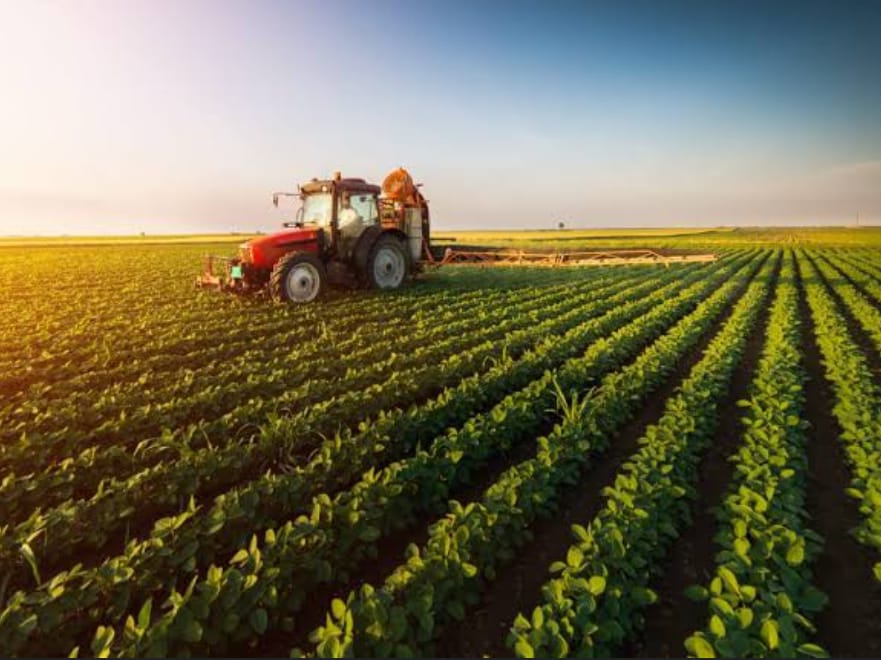
Why Insurance for Farms is Crucial
If you’re seeking insurance for farms, you’ve come to the right place. Here’s what you need to know upfront:
1. What It Covers:
– Homes and possessions
– Farm machinery and equipment
– Livestock
– Farm buildings and structures
– Liability coverage
2. Why You Need It:
– Protects your assets against disasters and theft
– Offers financial stability for unexpected events
– Covers personal and farm-specific liabilities
Managing a farm comes with many risks and responsibilities. From natural disasters to equipment failure, unforeseen events can disrupt your livelihood in an instant. Hence, having comprehensive insurance for farms is not just a wise investment; it’s essential.
In this guide, you’ll learn about the different aspects and benefits of farmstead insurance. You’ll also find why it’s more nuanced compared to typical homeowner’s insurance. We’ll break down the types of coverage you’ll need, what each policy covers, and how to choose the best plan custom to your specific needs.
I’m Dalton Tigner, and I’ve got decades of experience helping farmers protect their assets and livelihood with the right insurance solutions. As someone deeply involved in the insurance sector since 1992, I understand the unique challenges faced by farmers. Let’s explore how you can safeguard your farm and future with effective farm insurance.
What is Farmstead Insurance?
Farmstead insurance is a specialized form of insurance designed to protect farmers and ranchers from financial loss due to various risks associated with farming operations. It combines elements of both homeowners insurance and commercial insurance to cover the unique needs of farm and ranch properties.
Components of Farmstead Insurance
Farmstead insurance policies are comprehensive, covering a wide range of potential risks. Below, we’ll break down the main components of farmstead insurance:
Home and Contents
Farmstead insurance includes coverage for your home and its contents, similar to a standard homeowners policy. This means the physical structure of your home and everything inside it, like furniture, appliances, and personal belongings, are protected. If your home is damaged by fire, windstorm, or vandalism, this coverage helps pay for repairs or rebuilding.
Farm Personal Property
Farm personal property coverage protects the tools and assets vital to your farming operations. This includes farm machinery, equipment, and livestock. Whether it’s a tractor, a combine, or your herd of cattle, this part of the policy ensures that you can recover financially from damage, theft, or other covered perils.
Farm Structures
Farmstead insurance also covers other structures on your property, such as barns, silos, sheds, and stables. These buildings are essential to your operations, and coverage includes protection against risks like fire, wind damage, and vandalism. If a storm damages your barn, for example, this coverage helps pay for the repairs or replacement.
Liability Coverage
Liability coverage is a crucial component of farmstead insurance. It protects you from legal claims if someone is injured on your farm or if your farming activities cause damage to someone else’s property. This can include farm product liability, which covers issues related to products sold from your farm, and farm pollution liability, which addresses environmental damage caused by your farming activities.
Liability coverage gives you peace of mind, knowing that you’re protected from the financial impact of lawsuits and legal claims.
Farmstead insurance is essential for protecting your investment and ensuring that your farming operations can continue smoothly, even in the face of unexpected events. Next, we’ll dig into the different types of farm insurance coverage available.
Types of Farm Insurance Coverage
Farmstead insurance is like a safety net for your farm. It covers various aspects of your operation, ensuring you’re protected from different types of risks. Let’s break down the key types of coverage you’ll need.
Crop-Hail Insurance
Crop-hail insurance is vital for protecting your crops from damage caused by hail and fire. Hail can be especially destructive, as it can ruin a part of your field while leaving the rest untouched.
This type of insurance is sold on an acre-by-acre basis, meaning you can insure specific parts of your farm that are most at risk. It’s not the same as multiple peril crop insurance (MPCI), which covers a wider range of risks like drought and disease. Crop-hail insurance is a private insurance option, offering flexibility and targeted protection.

Livestock Insurance
Livestock insurance covers the animals you raise on your farm, such as cattle, pigs, and poultry. This insurance protects you against various risks, including:
- Theft
- Fire
- Collision
- Disease outbreaks
For example, if a fire breaks out in your barn or your livestock is stolen, livestock insurance can help cover the financial loss. This type of coverage is essential for maintaining the stability of your farming operations.

Equipment Insurance
Your farm machinery and equipment are the backbone of your farm operations. Equipment insurance covers essential items like:
- Tractors
- Implements
- Mobile agricultural machinery
Imagine a windstorm toppling a tree onto your tractor or a fire ruining your irrigation system. Equipment insurance steps in to cover the cost of repairs or replacements, ensuring that your operations continue smoothly.

Liability Protection
Liability protection is crucial for safeguarding against legal claims and lawsuits. This coverage includes:
- Bodily injury: If someone gets hurt on your farm, this coverage helps with medical expenses and legal fees.
- Property damage: If your farming activities cause damage to someone else’s property, liability insurance covers the costs.
- Farm product liability: This protects you if a product sold from your farm causes harm or injury.
- Farm pollution liability: Covers environmental damage caused by your farming activities.
Liability protection gives you peace of mind, knowing that you’re shielded from the financial impact of lawsuits and legal claims.

Now that we’ve covered the various types of farm insurance, let’s look at how farm insurance differs from homeowners insurance.
Differences Between Farm Insurance and Homeowners Insurance
While both farm insurance and homeowners insurance provide protection, they are designed for different needs. Here’s a quick comparison to help you understand the key differences.
Homeowners Insurance
Homeowners insurance mainly focuses on protecting your home and personal possessions. Here’s what it typically covers:
Home and Contents: Protects your house and the items inside from damage or loss due to specific perils like fire, theft, and storms.
Personal Liability: Covers legal costs if someone gets injured on your property or if you accidentally damage someone else’s property. For instance, if a guest slips on your icy driveway, your homeowners insurance can help cover medical expenses.
Homeowners insurance is perfect for urban and suburban homes but falls short for properties with farming operations.
Farm Insurance
Farm insurance, on the other hand, is custom for the unique needs of farms and ranches. It includes everything homeowners insurance covers, plus much more:
Home and Possessions: Just like homeowners insurance, it covers your house and personal items against loss or damage.
Farm Machinery and Equipment: Provides coverage for tractors, implements, and other essential farm machinery. This is crucial because farming equipment can be expensive to repair or replace.
Livestock: Offers protection for your animals against risks like theft, fire, and accidents. For example, if a storm destroys your barn and your animals are injured, farm insurance will help cover the costs.
Farm Liability: Includes liability protection specifically for farm operations. This covers injuries on your farm, damage caused by your livestock, and even issues with products sold from your farm. For instance, if someone buys produce from your farm stand and gets sick, farm liability insurance can help with legal fees and settlements.
In short, farm insurance provides comprehensive coverage that goes beyond what a standard homeowners policy offers. It’s designed to protect your home, farming equipment, livestock, and farm operations, ensuring you’re covered from all angles.
Next, we’ll dive into why having farmstead insurance is crucial for protecting your investment and managing potential liabilities.
Why You Need Farmstead Insurance
Protect Your Investment
Farming requires a significant investment in various assets, from your farmhouse to machinery and livestock. Farmstead insurance ensures these investments are protected.
Farmhouse: Your home is covered against risks like fire, wind damage, and theft. This is crucial because your home is often the heart of your farm operations.
Equipment: Farm machinery like tractors and harvesters are vital for daily operations. Insurance covers repair or replacement costs if they are damaged or stolen.
Livestock: Animals are a critical asset in farming. Coverage includes protection against theft, fire, and other perils that could harm your livestock.
With farmstead insurance, you can recover financially from unexpected losses, helping you maintain your livelihood.
Manage Potential Liability
Farming comes with unique risks that can lead to costly liability claims. Here’s how farmstead insurance helps manage these risks:
Liability Exposure: Whether it’s someone getting injured on your property or your livestock causing damage to a neighbor’s property, liability insurance covers legal fees and settlements.
Farm Operations: Activities like selling produce or running a farm stand can also pose risks. If a customer gets sick from your products, farm liability insurance can help cover the costs of legal claims.
Specialized Coverage: Farmstead insurance offers specialized coverage options like farm pollution liability and chemical drift liability, protecting you from environmental damage claims.
Farmstead insurance provides a comprehensive safety net, allowing you to focus on your farming operations without worrying about potential financial setbacks.
Next, we’ll explore frequently asked questions about farmstead insurance to help you understand its coverage and benefits better.
Frequently Asked Questions about Farmstead Insurance
What does farm and ranch insurance cover?
Farm and ranch insurance is designed to cover both personal and commercial risks. Here’s a breakdown of what it typically includes:
Home and Contents: Just like homeowners insurance, this covers your farmhouse and personal belongings against perils like fire, theft, and storms.
Farm Personal Property: This includes coverage for equipment, tools, irrigation systems, and harvested crops. If your tractor gets stolen or your tools are damaged in a fire, farm insurance has you covered.
Farm Structures: Barns, silos, and other outbuildings are covered under farm insurance. This ensures that all your essential farm structures are protected.
Liability Coverage: This is crucial for farmers. It includes farm premises liability and farm product liability. If someone gets injured on your farm or if your products cause harm, this coverage helps with legal costs.
Are farmers eligible for homeowners insurance?
Yes, farmers are eligible for homeowners insurance. However, homeowners insurance alone is not enough for those with farming operations. While it covers your home and personal belongings, it does not extend to farm-related activities and property.
For example, a typical homeowners policy won’t cover your farm equipment or outbuildings like barns and greenhouses. If you have a hobby farm with a few animals and a small garden, you might need additional coverage.
Farmstead insurance is designed to fill this gap by providing comprehensive coverage for both your home and your farming operations.
What is excluded from farm coverage?
It’s equally important to know what farm insurance does not cover:
Specific Perils: Standard farm insurance policies often exclude certain natural disasters like floods and earthquakes. If you live in an area prone to these, you’ll need additional coverage.
Hobby Farms: A typical homeowners policy won’t cover property on a hobby farm, such as small barns, greenhouses, or a farm stand. You’ll need to add these to your farm insurance policy.
Fencing: Surprisingly, fencing is often not automatically included. You’ll need to add this coverage separately if you want to protect your fences from damage.
Livestock Mortality: Standard policies usually don’t cover livestock deaths due to disease or old age. For this, you might need specialized livestock insurance.
Understanding these exclusions helps you ensure you have the right coverage. Always review your policy and talk to your insurance agent to fill any gaps.
Next, let’s summarize the key points and discuss how Tigner Financial can help you secure your financial future with the right farmstead insurance.
Conclusion
In summary, farmstead insurance is crucial for protecting your farm, equipment, livestock, and livelihood. It covers unique risks that standard homeowners insurance can’t handle. Whether it’s crop-hail insurance, livestock insurance, equipment insurance, or liability protection, each component plays a vital role in safeguarding your farm operations.
At Tigner Financial, we understand the complexities of the agricultural industry and the unique challenges you face. Our expertise in farm and ranch insurance ensures you get custom coverage that fits your specific needs. Whether you’re a small family farm or a large-scale operation, we have you covered.
Securing your financial future starts with the right insurance. By choosing Tigner Financial, you’re not just getting an insurance policy; you’re partnering with a team dedicated to protecting your livelihood and legacy.
Ready to protect what matters most? Learn more about our farm and ranch insurance services and get started today.
For more information and to speak with an expert, visit our Ag Business Insurance page.


